Archives
- 2026-07
- 2026-06
- 2026-05
- 2026-04
- 2026-03
- 2026-02
- 2026-01
- 2025-12
- 2025-11
- 2025-10
- 2025-09
- 2025-03
- 2025-02
- 2025-01
- 2024-12
- 2024-11
- 2024-10
- 2024-09
- 2024-08
- 2024-07
- 2024-06
- 2024-05
- 2024-04
- 2024-03
- 2024-02
- 2024-01
- 2023-12
- 2023-11
- 2023-10
- 2023-09
- 2023-08
- 2023-07
- 2023-06
- 2023-05
- 2023-04
- 2023-03
- 2023-02
- 2023-01
- 2022-12
- 2022-11
- 2022-10
- 2022-09
- 2022-08
- 2022-07
- 2022-06
- 2022-05
- 2022-04
- 2022-03
- 2022-02
- 2022-01
- 2021-12
- 2021-11
- 2021-10
- 2021-09
- 2021-08
- 2021-07
- 2021-06
- 2021-05
- 2021-04
- 2021-03
- 2021-02
- 2021-01
- 2020-12
- 2020-11
- 2020-10
- 2020-09
- 2020-08
- 2020-07
- 2020-06
- 2020-05
- 2020-04
- 2020-03
- 2020-02
- 2020-01
- 2019-12
- 2019-11
- 2019-10
- 2019-09
- 2019-08
- 2018-07
-
Our research group has been involved by many years
2023-10-12
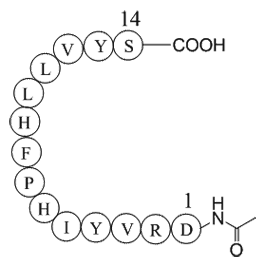
Our research group has been involved by many years in the synthesis of new 2,3-benzodiazepin-4-ones (e.g. 1, Fig. 1) and in the characterization of their mechanism of action.15, 16, 17 Within the development of these compounds, we demonstrated that an improvement of AMPAR antagonism by 2,3-benzodiaz
-
br Materials and methods br Results
2023-10-12
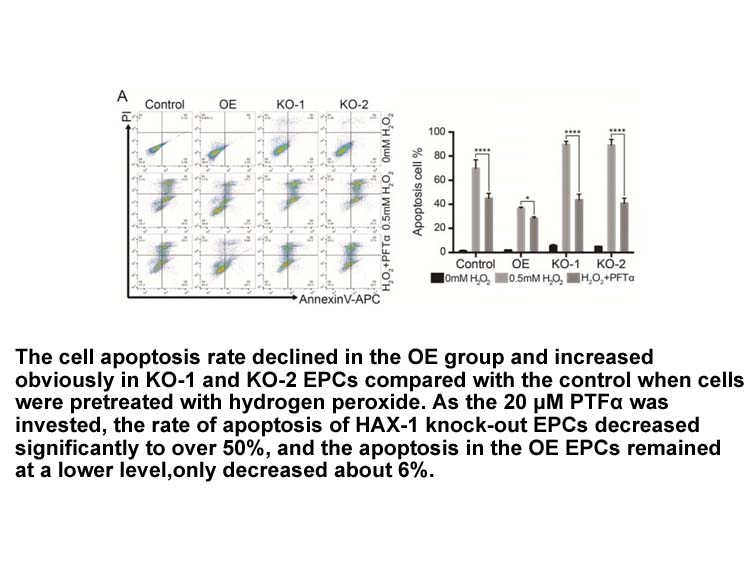
Materials and methods Results Discussion In this study, we have demonstrated that the adiponectin system (genes and proteins) is present in the porcine endometrium (epithelial glandular cells, luminal epithelial Annexin V-Cy3 Apoptosis Kit Plus sale and stromal cells) and myometrium (longi
-
Lee et al have demonstrated that APPL associates with AdipoR
2023-10-12

Lee et al. have demonstrated that APPL1 associates with AdipoR1 in Hek293 5z receptor where both proteins have been overexpressed with suitable tags [16]. In contrast to recent data the formation of this complex is not enhanced by exogenous adiponectin [16], [33]. Knock-down of APPL1 reduces the le
-
Tension within the network could be explained
2023-10-12
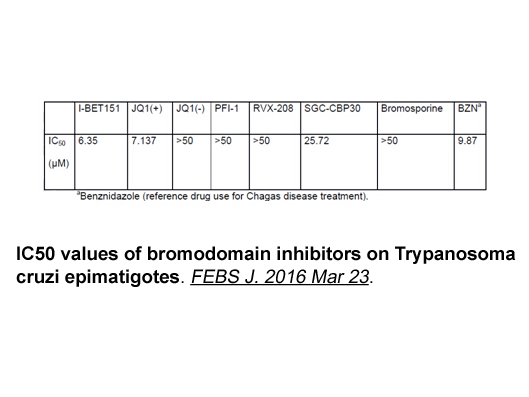
Tension within the network could be explained by two potential mechanisms: the more classical contractility that is dependent on motor proteins that are pulling Carteolol HCl filaments towards each other [10]; or contractility that is caused by disassembly of a crosslinked network of actin filament
-
Actin is capable of polymerizing
2023-10-12

Actin is capable of polymerizing spontaneously. However, this process is relatively slow and kinetically unfavorable in cells. Formation of Fructose dimers and trimers, which can easily disassemble due to their instability, is a rate-determining step in actin polymerization [5], [6]. The shape and t
-
br Methodology In this paper mechanical properties of
2023-10-12
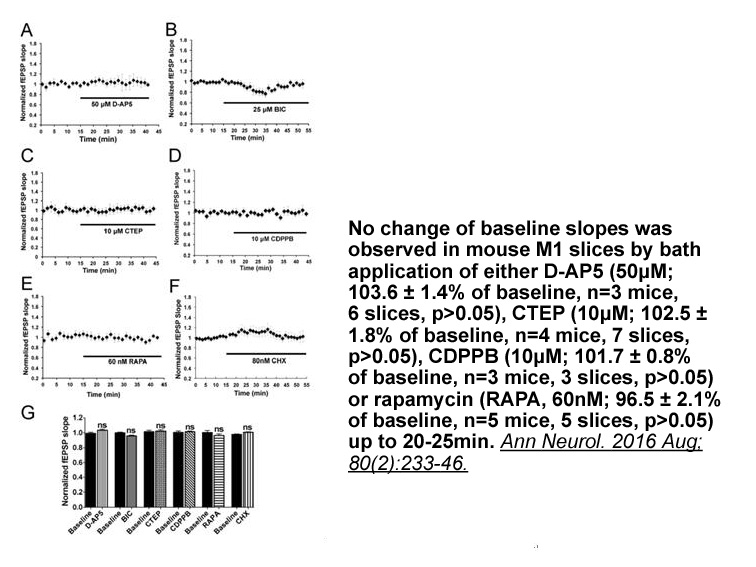
Methodology In this paper, mechanical properties of G-actin are examined. To do so, three different external tensile loads are exerted to the protein. As illustrated in Fig. 1, Arp2/3 complex binds to the one sides of mother BMS-650032 mg and leads to the growth of a new daughter filament at a d
-
ACK can be localized to clathrin coated vesicles
2023-10-12
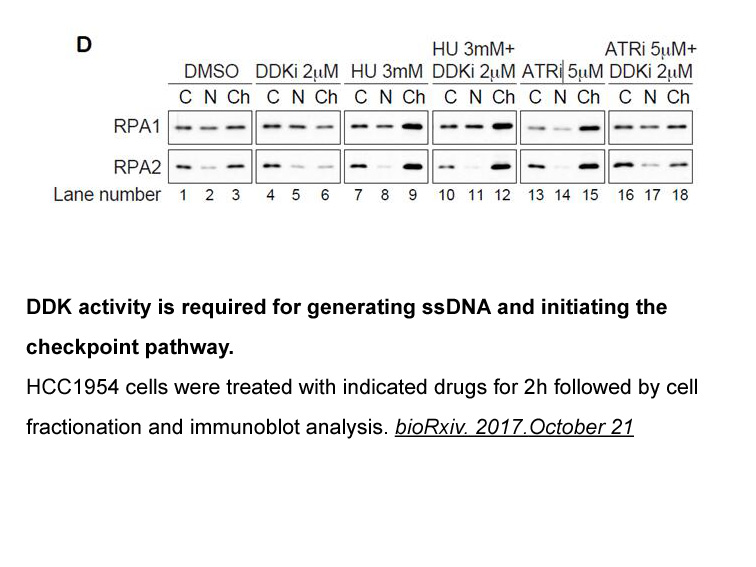
ACK1 can be localized to clathrin-coated vesicles [1]. The association of SNX9 with synaptojanin-1 would suggest the two cooperate during endocytosis at the synapse by coupling the sorting nexin to changes in phospholipid composition. ACK1 in turn negatively regulates the association of SNX9 with ta
-
br Experimental section br Results and discussion
2023-10-12

Experimental section Results and discussion Conclusion In the present study, 3a,8a-dihydroxy-8-oxo-1,3,3a,8a-tetrahydroindeno[1,2-d]imidazol-2(1H)-iminium chloride (3) has been synthesized and characterized by spectral studies and single crystal X-ray crystallography. DFT calculations have
-
br The Molecular Machinery of Autophagy and
2023-10-11
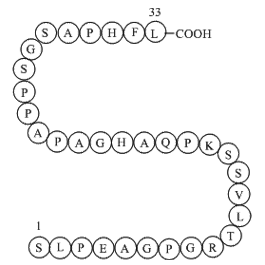
The Molecular Machinery of Autophagy and Regulation by Sphingolipids Sphingolipid-Mediated Autophagy in Cancer: Dr. Jekyll and Mr. Hyde Autophagy is an evolutionarily conserved stress response that typically promotes survival and antagonizes apoptosis. However, excessive autophagy was found to
-
Inflammations lead to the perturbation of aromatase enzyme w
2023-10-11

Inflammations lead to the perturbation of aromatase enzyme [112], which normally is responsible for a broad array of critical functions. Chemotherapy targets this enzyme, so this treatment option is never side-effect-free and not fully-effective. Therefore, the mankind should be careful so as not to
-
br Experimental section br Acknowledgements This
2023-10-11
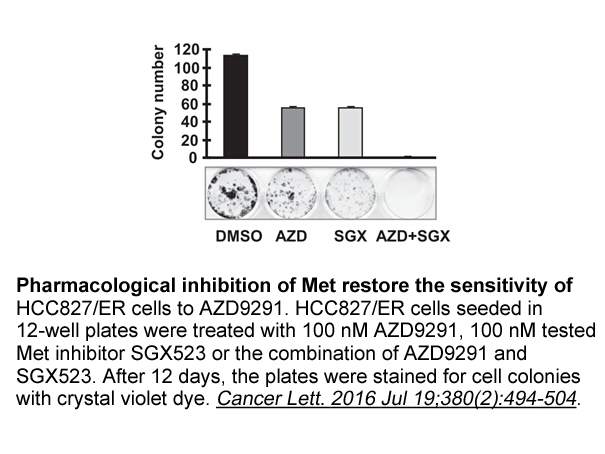
Experimental section Acknowledgements This work was funded by the Italian Association for Cancer Research (AIRC IG18590 to A.A.), by “Fondi di Ateneo-University of Pisa” years 2009 and 2010 (E. N., S. N., E. O., and A. R.) and partially by the Unipi project P.R.A.2016_27 (E. N., E.O. and A. R.
-
First investigation of numerous membered ether linked macroc
2023-10-11
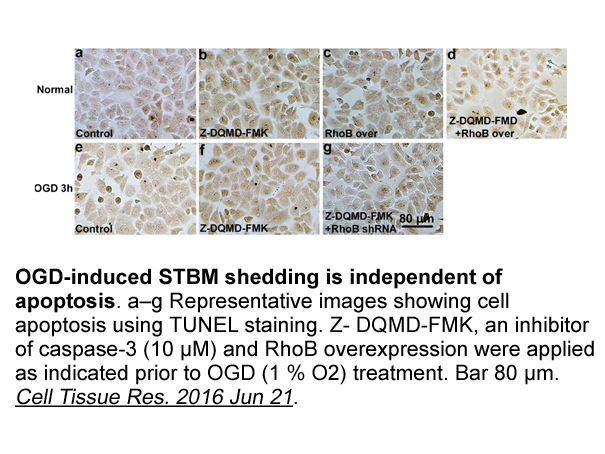
First, investigation of numerous 12-14-membered ether-linked macrocycles revealed that smaller motifs were most lipophilic efficient. Compound (3) (12-membered macrocycle) exhibited good cellular potencies (ALK IC50 = 1.0 nM; ALK-L1196 M IC50 = 20 nM) and the highest LipE (4.4) with picomolar bindin
-
br Development of lorlatinib from crizotinib to a clinical
2023-10-11
Development of lorlatinib from crizotinib (1) to a clinical candidate (6) Xalkori (1, PF-02341066, crizotinib), was the first-in-class ALK inhibitor approved by the Unites States Food and Drug Administration (FDA) in 2011 as a first-line treatment for ALK+- NSCLC patients. This section describes
-
In this study we demonstrated that DRR protein level in
2023-10-11

In this study, we demonstrated that DRR1 protein level in GBM tissues was significantly higher compared to normal JTP-74057 tissues. This data suggested that DRR1 might play a role in the tumorigenesis of glioma. To investigate whether DRR1 could accurately predict the outcome in patients with gliom
-
br Introduction Human esophageal carcinoma is one of the
2023-10-10
Introduction Human esophageal carcinoma is one of the most frequently diagnosed cancers, ranked as the eighth leading causes of cancer-related mortality worldwide. Esophagus squamous cell carcinoma (ESCC) is the most common histological type of esophageal carcinomas, especially with a higher inci
14701 records 291/981 page Previous Next First page 上5页 291292293294295 下5页 Last page